Acne is one of the most common skin conditions in the world — affecting people of all ages, not just teenagers. While mild acne can often be managed with over-the-counter treatments and proper skincare, there are times when it’s best to call in a professional.
If you have cysts, nodules, deep painful pimples, or acne that just won’t go away, it’s time to see a dermatologist. Here’s why professional help can make all the difference.
1. Recognizing the Signs of Severe Acne
Not all acne is created equal. Dermatologists classify acne based on its severity and type. Understanding which type you have can help you know when to seek help.
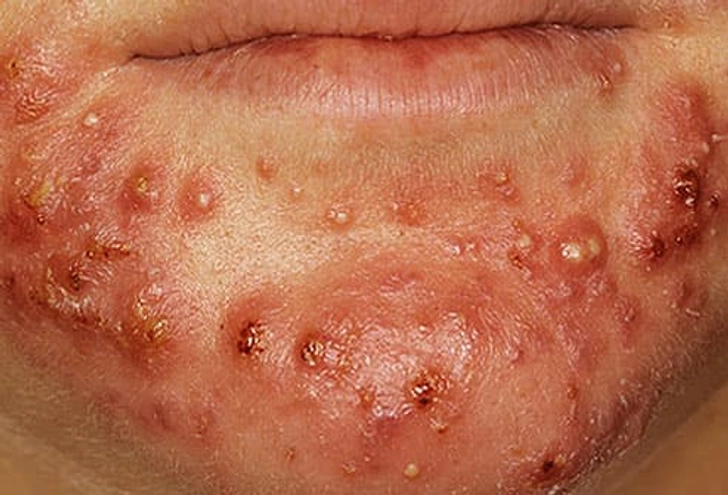
- Cysts: These are large, pus-filled bumps that develop deep under the skin. They’re often painful and can leave scars if not treated properly.
- Nodules: Hard, solid lumps beneath the skin’s surface. Like cysts, nodules can cause significant discomfort and lead to scarring.
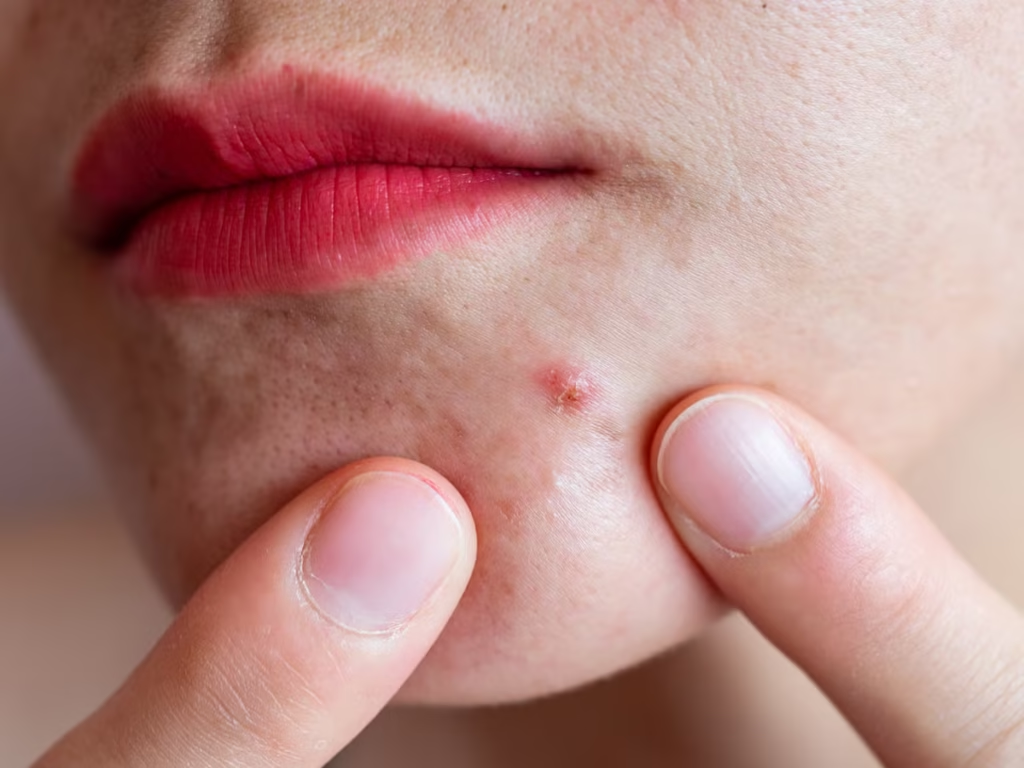
- Deep, painful pimples: If your acne is tender and feels like it’s “under the skin,” it’s likely more than just a surface breakout.
These types of acne often don’t respond to regular cleansers or spot treatments — they need prescription-strength care.
2. When Acne Becomes Persistent or Appears Later in Life
If your acne has been ongoing for years or started in adulthood, that’s another sign it’s time to see a dermatologist.
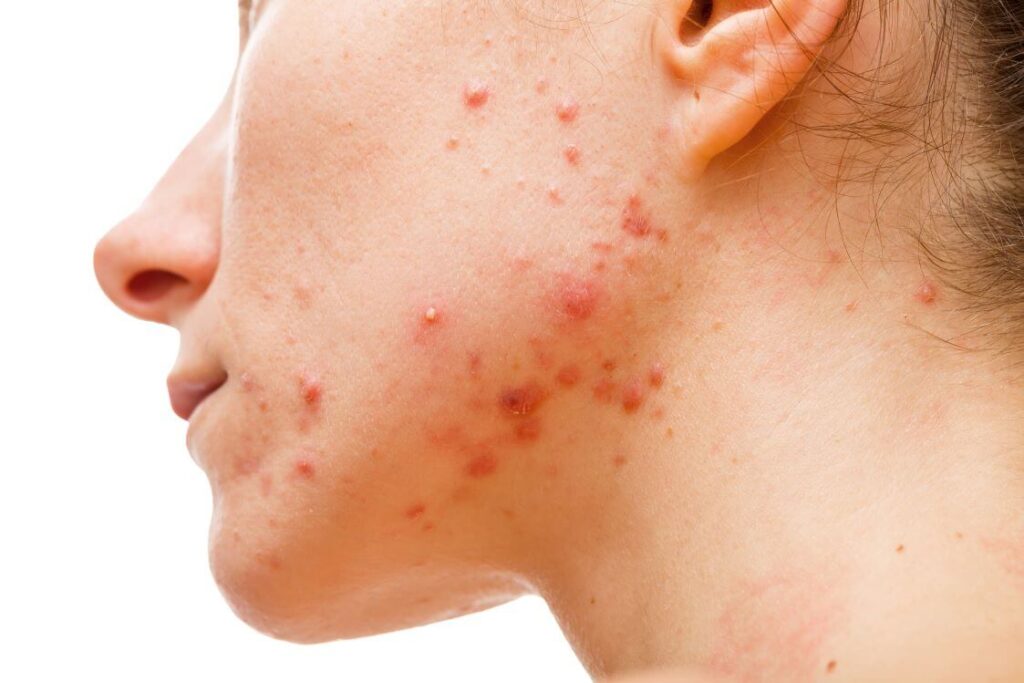
Persistent acne can be linked to hormonal changes, genetics, or underlying health conditions. Late-onset acne, which appears in adults over 25, may be influenced by stress, medication, or hormonal imbalance — especially in women.
Dermatologists can identify the root cause and design a treatment plan that targets the problem at its source rather than just treating symptoms.
3. Why Seeing a Dermatologist Matters
A dermatologist doesn’t just prescribe stronger creams. They bring expertise, diagnosis, and access to treatments that aren’t available over the counter.
Professional acne treatments may include:
- Prescription topical medications like retinoids or antibiotics
- Oral treatments, including antibiotics, birth control pills, or isotretinoin (Accutane)
- In-office procedures such as chemical peels, laser therapy, or light-based treatments
These options can reduce inflammation, prevent scarring, and restore your skin’s health more effectively than DIY approaches.
4. The Risk of Waiting Too Long
Untreated cystic or nodular acne can lead to permanent scarring, hyperpigmentation, and even emotional distress. The longer the skin stays inflamed, the higher the chance of lasting damage.
Early treatment can prevent these outcomes — helping you achieve clearer, healthier skin and renewed confidence.
5. How to Prepare for Your Dermatology Appointment
If you’re scheduling your first visit, here are a few tips to make the most of it:
- Keep a record of your acne history — when it started, what products you’ve tried, and what triggers flare-ups.
- Bring a list of your current skincare products and medications.
- Be ready to discuss diet, stress levels, and hormonal factors that might affect your skin.
Your dermatologist will use this information to personalize your treatment plan.
Final Thoughts
If you’re dealing with deep, painful acne, cysts, nodules, or breakouts that won’t go away, don’t wait it out. Seeing a dermatologist is the best step you can take to protect your skin and your confidence.
Early, professional treatment not only clears your acne but also prevents scarring — giving you the clear, healthy skin you deserve.

About the Author