Cysts are one of the most common medical findings, affecting people of all ages. They are closed, sac-like structures filled with fluid, air, pus, or semi-solid material that can develop almost anywhere in or on the body. Most cysts are benign (non-cancerous) and cause no problems, but understanding them can help ease worries and know when to seek help.
This illustrated article explains what cysts are, the most common types (with real medical examples), causes, symptoms, diagnosis, treatment, and when a cyst might need urgent attention.
What Exactly Is a Cyst?
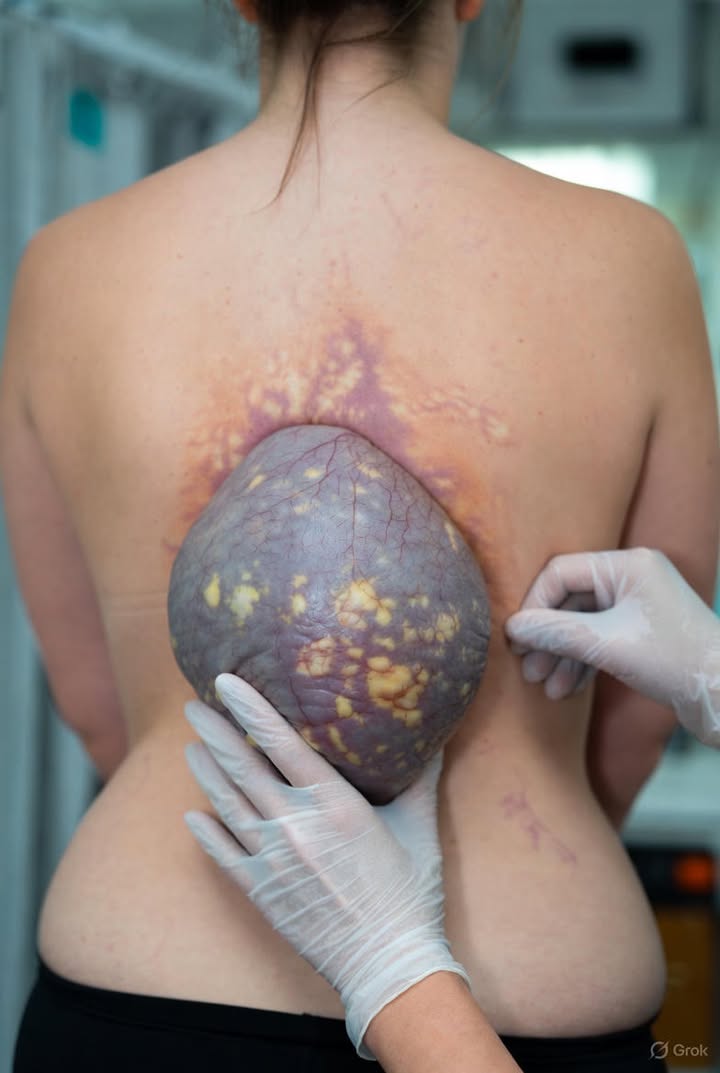
A cyst has a distinct wall or capsule that separates it from surrounding tissues. They form when cells or glands malfunction—such as when a duct gets blocked or skin cells get trapped under the surface.

Epidermoid Cyst (Sebaceous Cyst): Symptoms, Treatment, and Removal
Common Types of Cysts (With Visual Examples)
| Type | Location | Key Features & Appearance |
|---|---|---|
| Epidermoid / Sebaceous Cyst | Skin (face, neck, back, scalp) | Filled with keratin (cheesy material). Slow-growing, dome-shaped lump. Often has a central blackhead-like dot. |

Sebaceous Cysts: Removal and Treatment (With Images) – GoodRx
| Ovarian Cyst | Ovaries | Usually functional (related to ovulation) and harmless. Can be large fluid-filled sacs. |

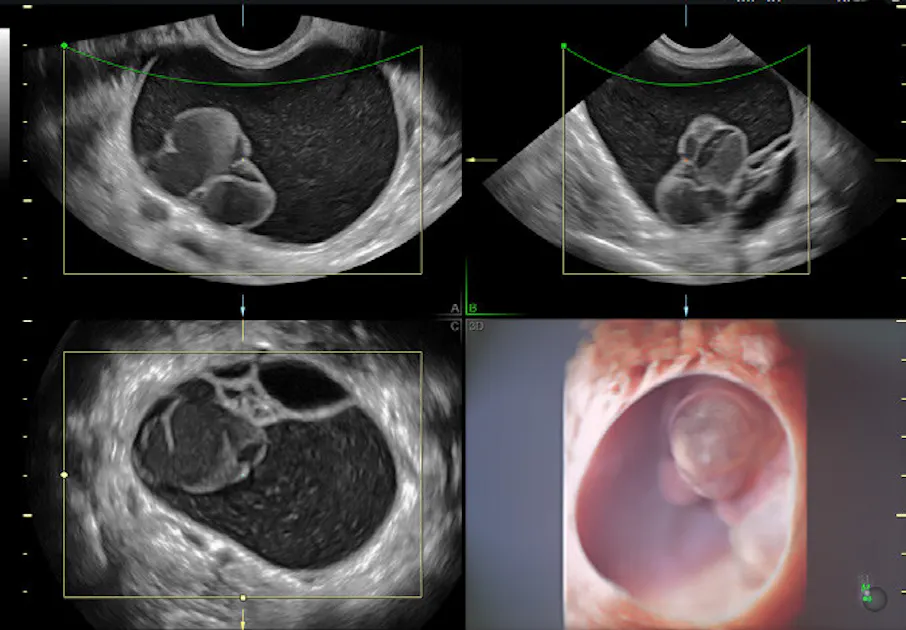
| Breast Cyst | Inside the breast | Common in women 30–50 years old. Feel like soft grapes; size can change with menstrual cycle. |
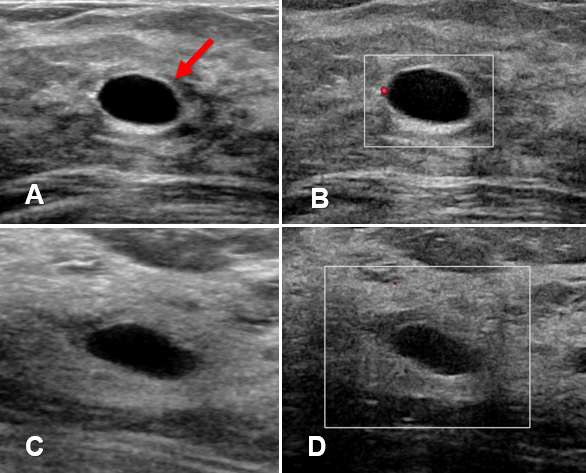
Simple Cyst, Clustered Microcysts, Complicated Cyst – Radiology …
| Ganglion Cyst | Wrist, hand, or foot | Jelly-like fluid from a joint or tendon sheath. Usually painless but can press on nerves. |
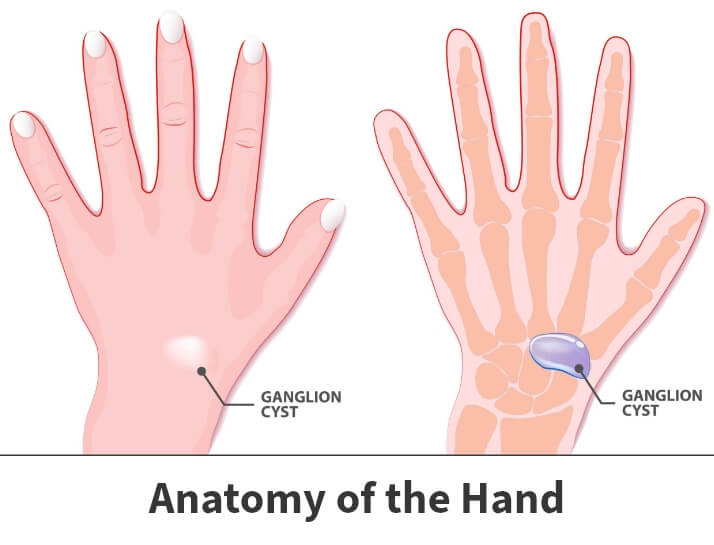
Wrist Ganglion Cyst | Florida Orthopaedic Institute
| Baker’s (Popliteal) Cyst | Behind the knee | Swelling caused by excess knee joint fluid. Common with arthritis or meniscus tears. |

The Baker’s Cyst – what is it, and will it go away? – Chris Bailey …
| Pilonidal Cyst | Near the tailbone (sacrococcygeal area) | Often starts from ingrown hairs. Can become infected and form painful abscesses. |

Pilonidal Cyst: Symptoms, Causes, & Treatment
| Simple Kidney (Renal) Cyst | Kidneys | Very common with age (>50% of people over 50 have at least one). Usually silent and harmless. |

Renal cyst: simple or complex? – NephroPOCUS
Why Do Cysts Form?
Common triggers:
- Blocked glands or ducts (e.g., sebaceous cysts)
- Hormonal changes (ovarian/breast cysts)
- Injury or irritation
- Infections or chronic inflammation
- Genetic or developmental conditions
Many appear without a clear reason.
Symptoms – When Do You Notice a Cyst?
Most cysts are asymptomatic and found by chance. When they cause trouble:
- Visible or palpable lump
- Pain, redness, or warmth (if infected)
- Pressure on nearby structures (e.g., nerve pain from a ganglion cyst)
- Specific symptoms by location (pelvic pain, knee stiffness, etc.)
How Are Cysts Diagnosed?
- Physical examination
- Ultrasound (first-choice for most cysts – safe and accurate)
- CT or MRI for deeper cysts
- Fine-needle aspiration (draining fluid to analyze)
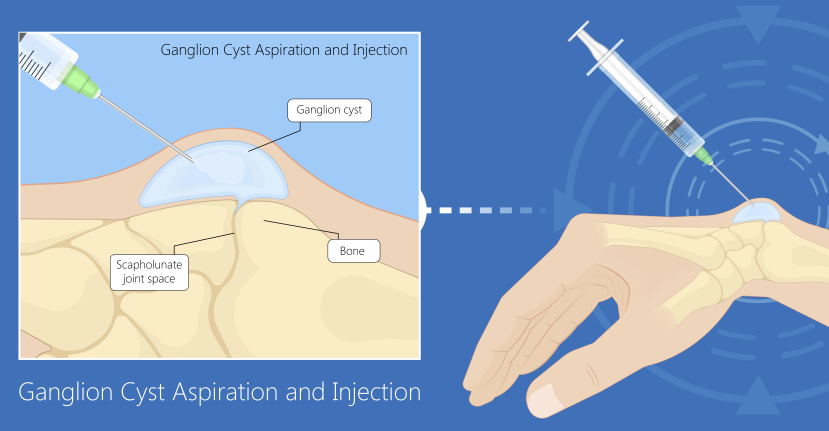
Ultrasound-Guided Aspiration of Ganglion Cyst: Explained
Treatment Options
Most cysts do not need treatment. Options when necessary:
- Observation – many disappear on their own
- Drainage/aspiration (shown above)
- Medications – antibiotics if infected, hormonal therapy for recurring ovarian cysts
- Surgery – complete removal to prevent recurrence
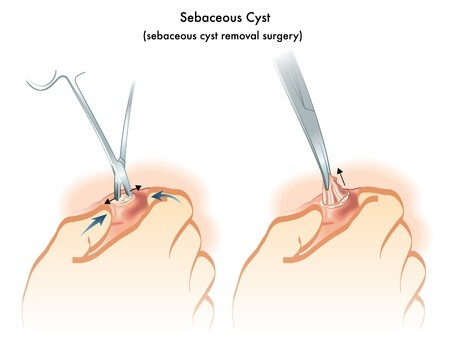
Sebaceous and Pilar Cysts Removal – DR. NOVIKOV WELLNESS AND SKIN CARE
Never try to squeeze or pop a cyst yourself – this dramatically increases the risk of infection and scarring.
When Is a Cyst Dangerous?
The overwhelming majority are harmless. Warning signs that need prompt medical review:
- Sudden severe pain (possible rupture)
- Rapid growth
- Fever + tender lump (infection)
- Irregular borders or solid areas on imaging
- New cysts after menopause (especially ovarian)
Key Takeaways
- Cysts are extremely common and usually benign.
- Most require no treatment and many resolve spontaneously.
- Modern imaging (especially ultrasound) makes diagnosis quick and accurate.
- If a lump worries you, see a doctor – early evaluation brings peace of mind.
This article is for educational purposes only and is not a substitute for professional medical advice. Always consult a qualified healthcare provider for personal concerns.

About the Author